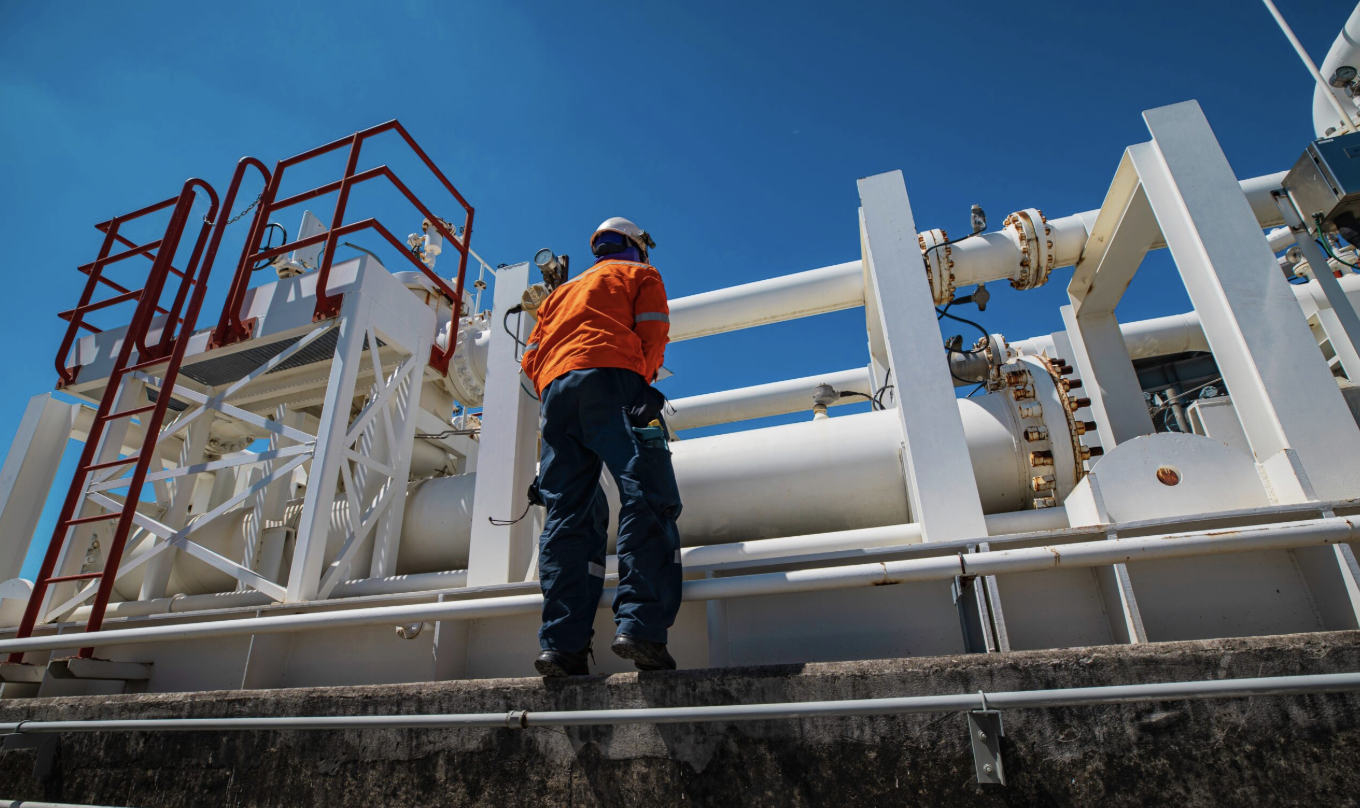
In 2021 alone, the US generated a staggering 35.9 million tons of hazardous waste, as reported by the Environmental Protection Agency (EPA). Most industrial companies handling hazardous materials have strong safety measures in place, but a single trespass, a small fire, or an unexpected chemical reaction can turn a controlled environment into a serious threat within seconds. That’s why these operations need advanced proactive visual security solutions that anticipate and prevent danger before they escalate.
While chemical and petroleum manufacturing are major contributors, numerous other sectors — including pharmaceuticals and biotechnology, electronics and metal finishing, paints and adhesives manufacturing, pulp and paper production, and waste treatment and storage — also generate or handle toxic materials as part of their operations.
Traditional security — gates, video cameras, and patrols — can help deter incidents, but they have limits in preventing intrusions and identifying safety risks across large or remote perimeters. Barriers can be breached. Guards can’t be everywhere at once. And cameras often capture incidents — whether theft or safety events — and alert you only after they happen.
Traditional surveillance video provides only a record of what has already gone wrong; it does not prevent the incident from occurring in the first place. But CHeKT’s Proactive Visual Security Platform replaces passive monitoring with active protection, using AI-driven detection and verification to identify and stop incidents in real time. For companies handling toxic materials, that’s a massive step in the right direction.
The risk
Any business that uses or generates hazardous materials operates under strict safety regulations to protect employees, customers, and the environment. But when an accident or theft occurs, the repercussions extend far beyond the immediate event — leading to insurance claims, environmental and employee safety concerns, operational disruption, and reputational harm.
These companies face serious threats: fires, chemical spills, explosions, and unauthorized access. Beyond the immediate danger, such incidents can result in regulatory fines and long-term environmental liability.
Visible security cameras alone are insufficient as a deterrent to prevent these events. What’s needed is proactive, 24/7 monitoring that not only observes but actively prevents accidents, sabotage, and unsafe behavior — because in hazardous environments, seconds truly matter.
The solution
CHeKT combines AI-powered detection with real-time visual verification to catch serious threats early. By focusing on real-time prevention, continuous monitoring, and data-driven compliance, the platform shifts security operations from reactive investigation to proactive risk mitigation.
Unlike traditional systems that simply record activity, CHeKT integrates cameras, alarm panels, IP speakers, and cloud-based analytics into a coordinated, intelligent defense network. This immediate response capability helps prevent chemical releases, explosions, and other high-liability incidents — protecting people, property, and compliance integrity.
Any professional security camera can connect to the CHeKT Video Control Panel, instantly becoming part of a safer, more proactive security system. Here’s how it works:
Here’s how the CHeKT system works:
- Intelligent Detection: AI analytics turn each camera into an active threat detector, identifying real threats and non-compliant operational practices.
- Real-Time Verification: Operators can view precisely what triggered an alert and make informed decisions within seconds.
- Immediate Deterrence: Visual and audio warnings can be triggered automatically or manually to immediately correct improper handling or stop intruders in their tracks.
- Verified Response: Law enforcement receives video-verified alarm events, resulting in faster, more accurate intervention.
The CHeKT Proactive Visual Security platform puts video at the center of protection, equipping security operators, monitoring centers, and security teams with the visibility and control needed to stop an event as it unfolds—not after.
The impact
Proactive visual security does more than reduce theft and vandalism; it transforms how businesses manage risk and protect their people and property.
Real-Time Incident Prevention and Deterrence
AI-powered video analytics provide immediate visibility into what’s happening across the facility — detecting unauthorized access, risky behavior, or early signs of spills and fires. Operators gain real-time situational awareness and can instantly trigger lights, sirens, or live audio warnings to deter intruders or correct unsafe situations as they unfold.
Controlled Access to Hazardous Zones
Designated alarm zones and integrated access control ensure only authorized personnel enter sensitive or restricted areas. Highly visible cameras act as initial deterrents, while real-time monitoring guarantees any breach is immediately verified and addressed by security teams or local authorities.
Remote Oversight of High-Risk Areas
Automated visual monitoring minimizes the need for manual patrols in zones exposed to toxic gases, radiation, or extreme temperatures. This reduces personnel exposure to danger while maintaining constant surveillance and rapid response capabilities.
Enhanced Compliance and Safety Enforcement
AI-driven visual monitoring helps ensure proper use of Personal Protective Equipment (PPE), safe handling procedures, and adherence to OSHA and EPA regulations. This not only promotes a safer workplace but also minimizes legal risk, fines, and operational downtime due to non-compliance.
Early Fire and Hazard Detection
Integrated systems connect visual monitoring with fire alarms, gas sensors, and thermal imaging to identify hazards like overheating equipment or chemical leaks. This facilitates fast, coordinated emergency responses that prevent catastrophic damage and loss of life.
Minimized Financial and Operational Impact:
By detecting and responding to threats in real time, businesses can avoid costly incidents, regulatory penalties, and reputational damage — all while maintaining operational continuity and employee confidence.
Detect, deter, and stop hazardous incidents before they occur
For companies handling dangerous materials, CHeKT Proactive Visual Security is more than a safeguard — it’s a strategic investment in operational safety, regulatory compliance, and providing crucial legal evidence in the event of an incident, ultimately contributing to long-term financial stability.
The platform provides security companies, monitoring centers, and companies with chemical or hazardous materials a unified way to monitor live video feeds, detect suspicious behavior in real-time, and trigger alerts and responses that prevent loss and protect people.
CHeKT delivers:
- Visual Alarm Detection: AI-powered video analytics that instantly alert operators and customers with live, actionable, situational awareness.
- Deterrence and Prevention Tools: Automated or live audio broadcasts, lighting control, and visual warnings to deter crime.
- Faster Response Capabilities: Real-time video evidence and verification enable more accurate responses from law enforcement, firefighters, and emergency medical services.
Get proactive about preventing hazardous incidents
Ensure your security systems can protect employees, assets, and operations with CHeKT Proactive Visual Security, to prevent incidents before they escalate.
Call 1-224-442-4358 or book a demo to see how CHeKT can turn your existing security cameras into a live, proactive defense system.